
How to Send Unlimited SMS from Your Own Phone Using Excel (2026)
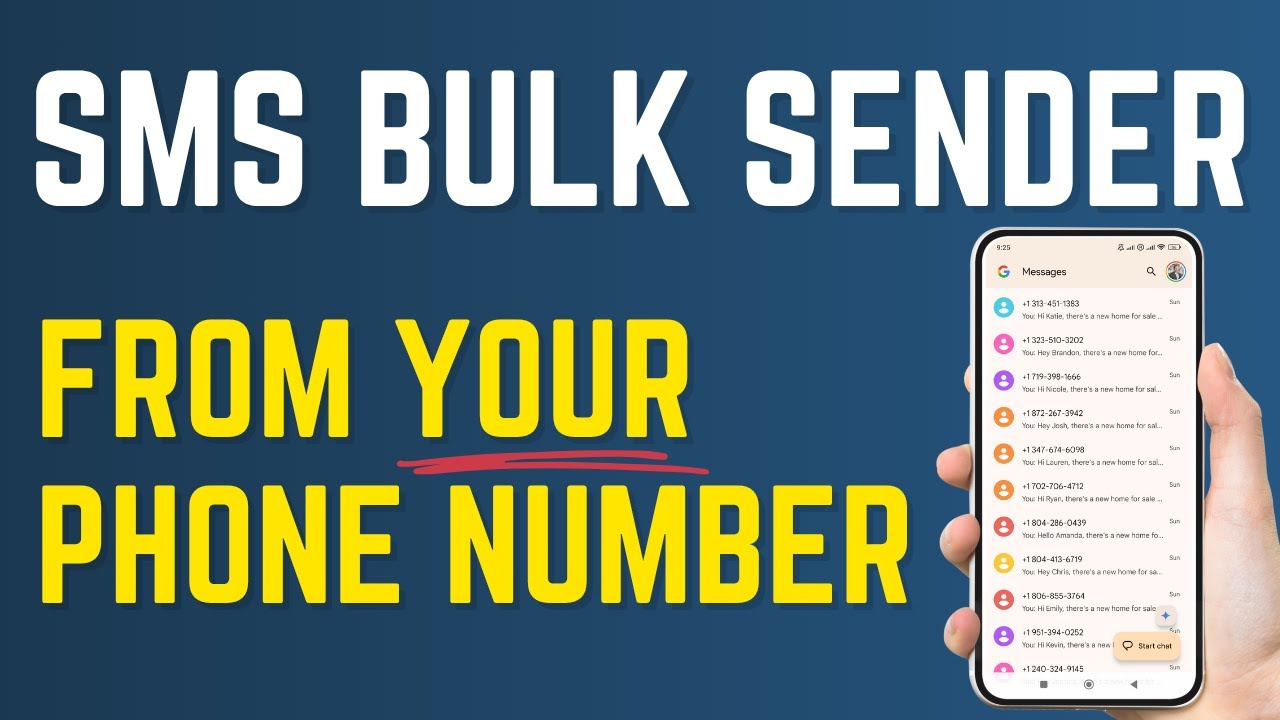
The Problem with Standard Bulk SMS Services
If you have tried commercial bulk SMS platforms, you know the pattern: monthly fees, per-message costs, carrier registration requirements, and messages going out from shortcodes or random sender IDs that your recipients don’t recognize. The platform owns the sender number, which means your carefully written texts arrive looking like they came from a faceless company rather than from you.
I’m Sven, and I built QuickText to work differently. With QuickText, SMS goes out from your own Android phone, using your actual number and your existing mobile plan. Replies come straight to your messaging app. No middleman, no per-message fees, no shortcodes. 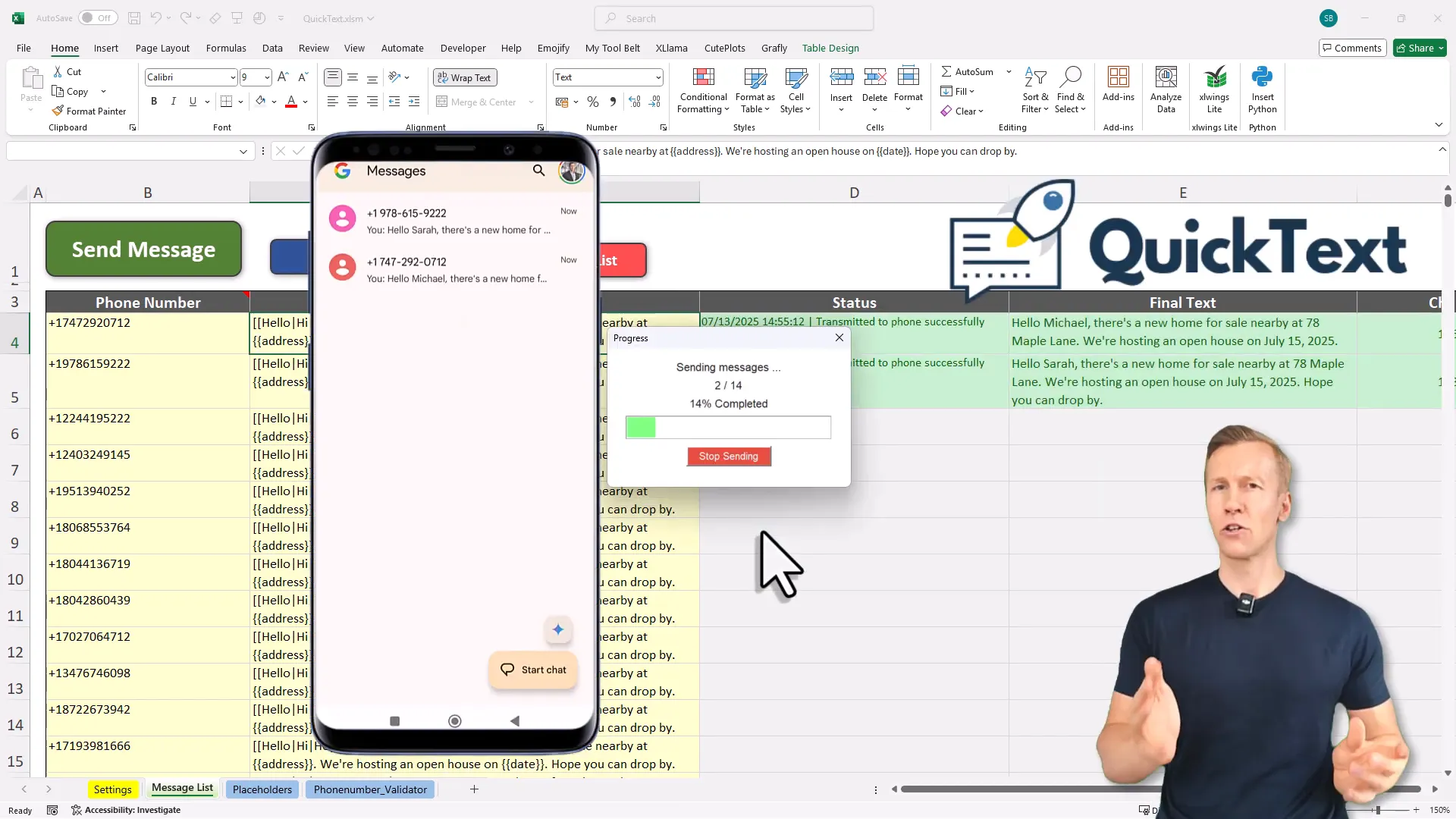
Who This Tool Is For
QuickText is built for professionals who need to reach multiple contacts at once and want the messages to feel like they came from a real person. Some of the most common use cases:
- Small business owners sending appointment reminders, promotions, or store updates to customers.
- Real estate agents notifying leads about new listings, open house dates, or price reductions.
- Sales and marketing teams running personalized outreach to prospects or follow-ups after meetings.
- Consultants and freelancers keeping clients updated on project progress or deadlines.
- Event organizers sending invitations, confirmations, or last-minute logistics updates.
The common thread: situations where a message from a recognizable number carries more weight than a text from an unknown sender ID. A text from your actual number gets read. A text from a random shortcode gets ignored. QuickText is built specifically for this use case. 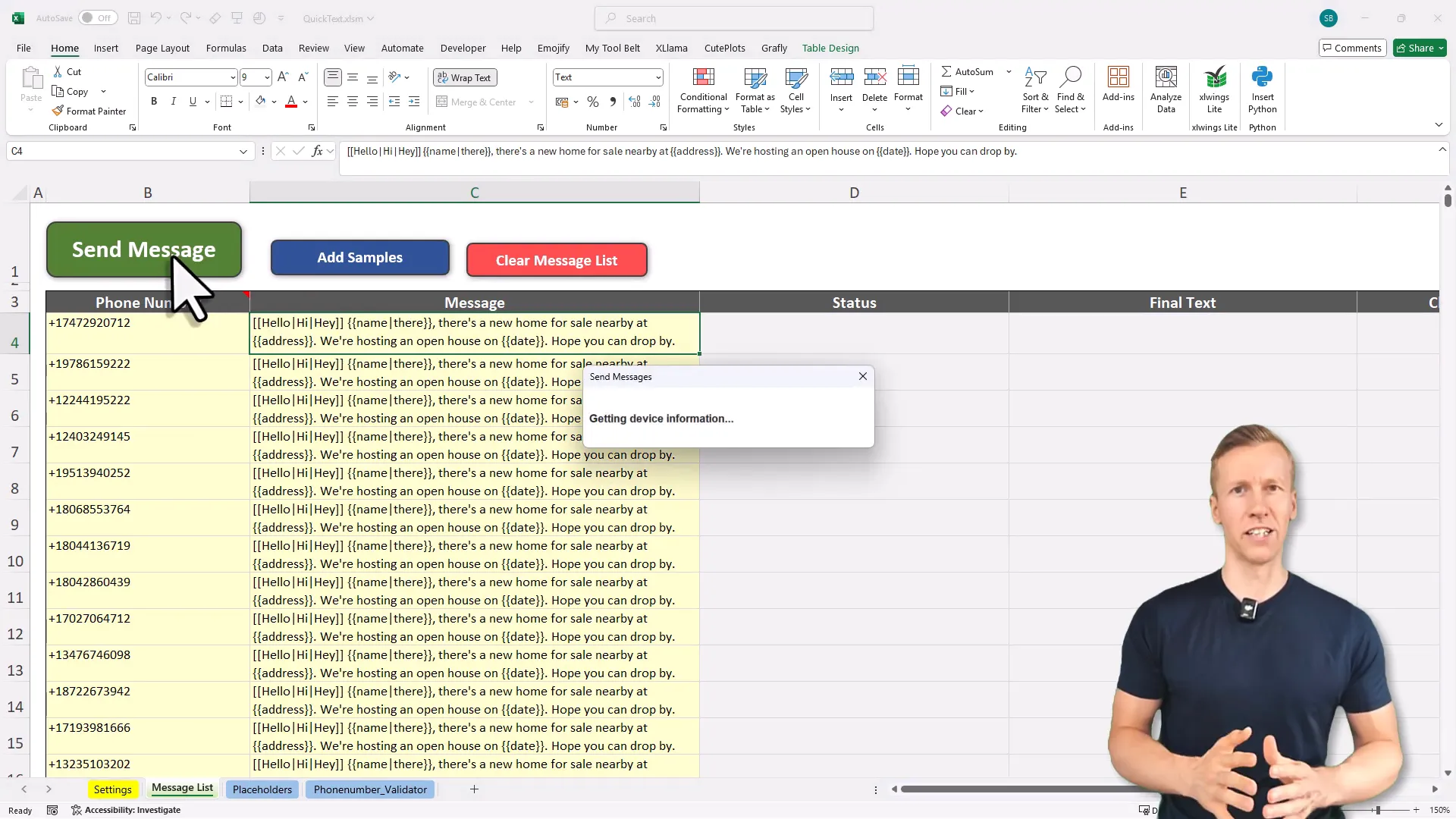
How QuickText Works
The entire tool lives inside Microsoft Excel. There’s nothing new to learn if you can already open a spreadsheet. The process has three steps:
- Enter your recipients’ phone numbers and message text into the Excel template.
- Click send. QuickText checks that the numbers are valid and that your Android phone is connected to your computer.
- Your phone sends each message one by one. You watch the progress in Excel, and you can verify it happening on your phone in real time.
Your contact list and message content never leave your computer. Everything runs locally between Excel and your phone. 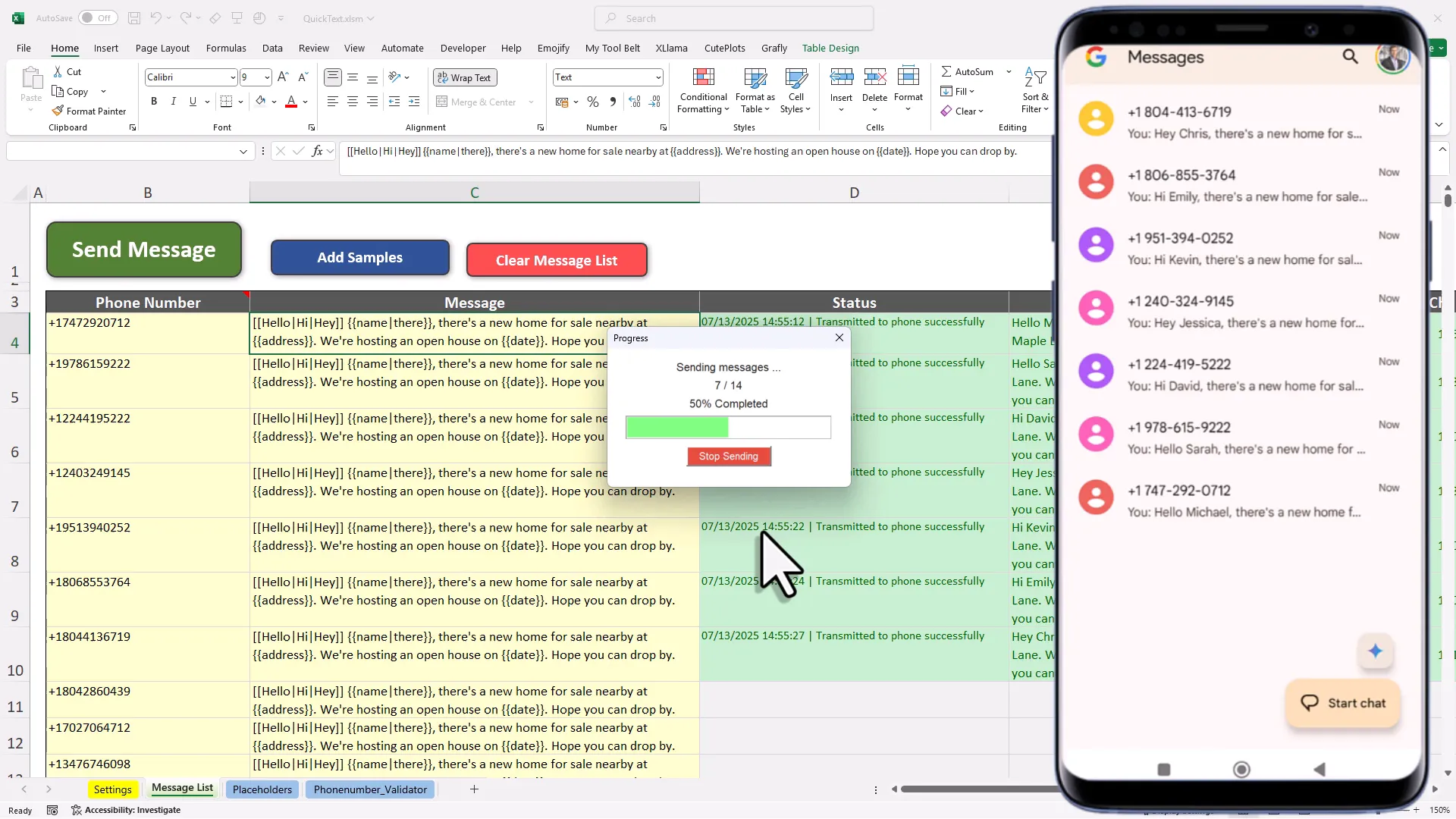
Personalizing Messages with Placeholders
QuickText lets you add dynamic placeholders so each recipient gets a version of your message with their own details filled in. In the real estate example I show in the video, I include the client’s name, the property address, and the open house date. Each of those fields gets filled in automatically for each contact before the message is sent.
For values that are the same across all contacts, like the property address or the event date, you set a global placeholder. Change it once, and the entire batch updates. For fields you might not have for every contact, you set a fallback value. If I don’t have a client’s name on file, their message gets “Hi there” instead of a blank space. Small detail, but it keeps every message from sounding awkward. 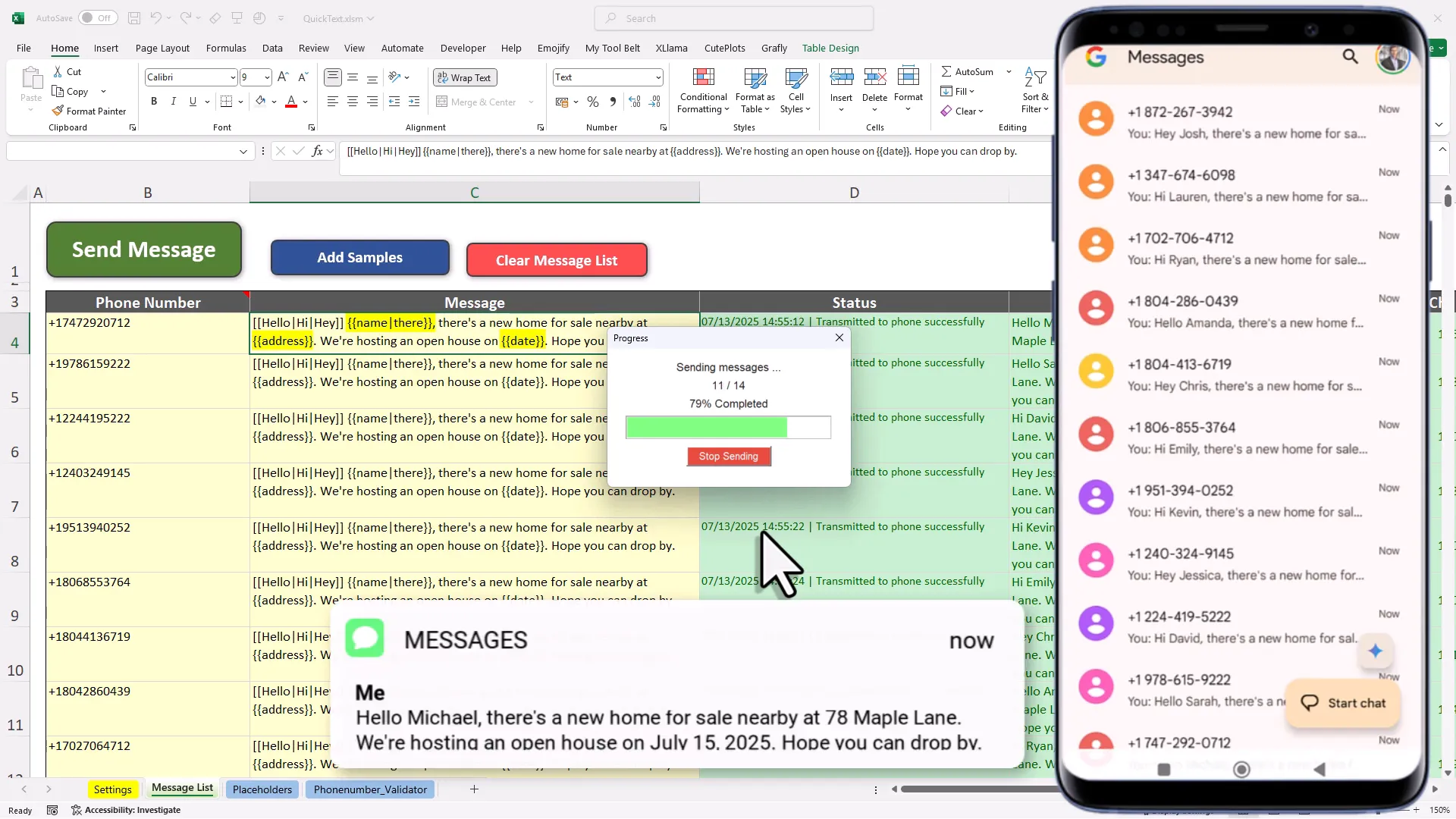
Spintext for Natural-Sounding Messages
When sending a large batch, identical message openings make your texts feel automated. Spintext lets you define alternatives for specific words or phrases. Set up “Hello,” “Hi,” and “Hey” as options for your greeting, and QuickText picks one at random for each message. The variation is small, but it makes a batch of texts read much more like something you typed individually. 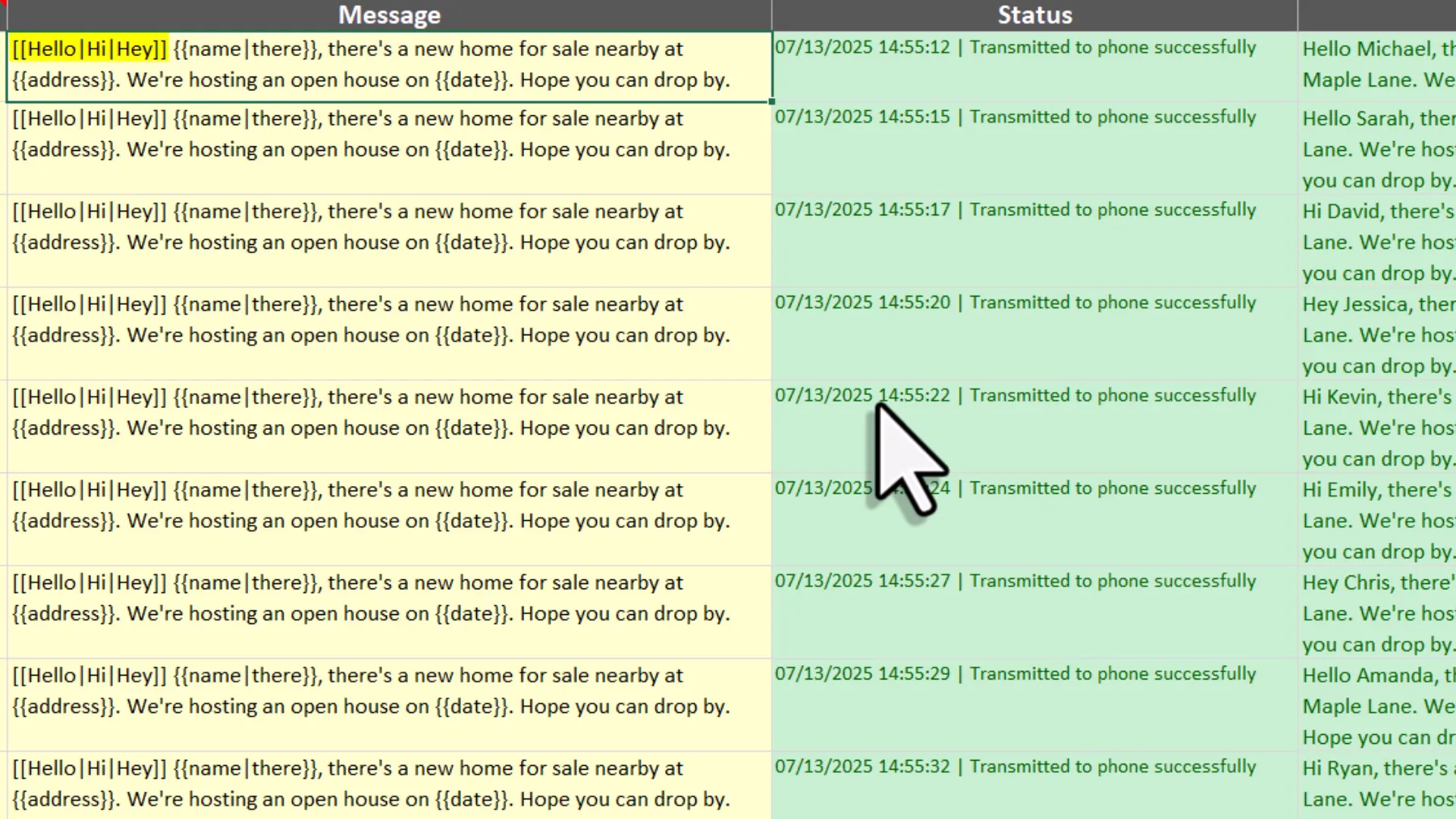
Phone Number Formatter and Validator
Contact lists are rarely clean when they come from a CRM, a spreadsheet, or a CSV export. Numbers show up in different formats, with inconsistent country codes, and sometimes landlines mixed in with mobile numbers. QuickText includes a built-in formatter and validator to handle all of that.
Paste your raw numbers into the sheet, click the button, and it formats each number correctly for sending, flags numbers that are invalid or unreachable, identifies the country and whether each number is a mobile or landline, and shows the time zone for each contact. That last detail is useful if you’re sending to people in different regions and want to time your messages sensibly. 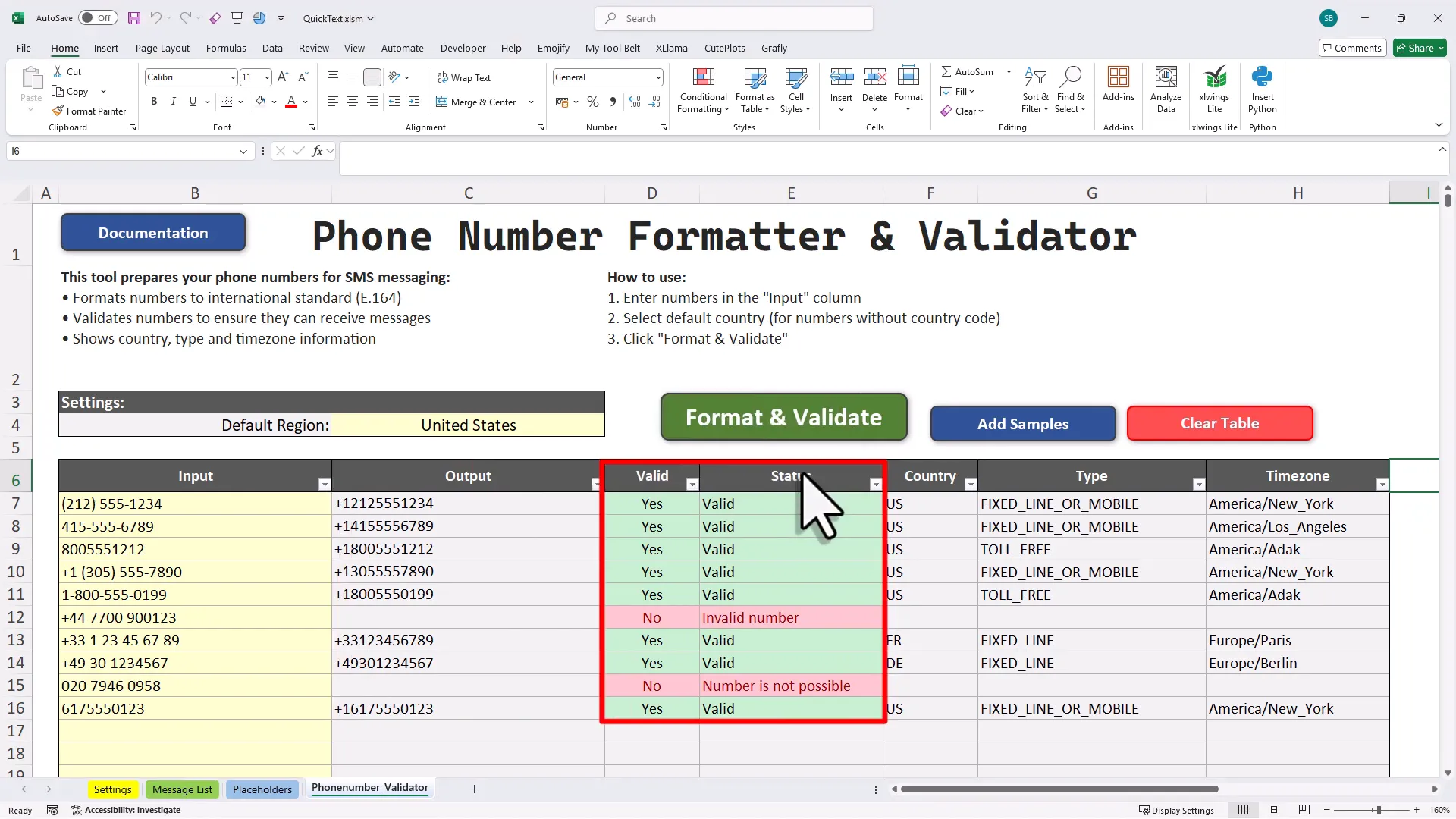
How to Set Up QuickText
Setup takes less than five minutes. You need two things: the QuickText Excel template, and a free open-source app called KDE Connect. KDE Connect is available on the official Microsoft Store for your Windows PC and Google Play for your Android phone. No third-party app stores, no sideloading.
Install KDE Connect on both devices and make sure they’re on the same WiFi network. Open QuickText and your phone appears automatically in the connection list. Select it, confirm, and you’re ready to send. You can connect multiple Android phones and switch between them inside QuickText. For anyone who prefers to follow along visually, the official QuickText documentation includes a full step-by-step setup video. 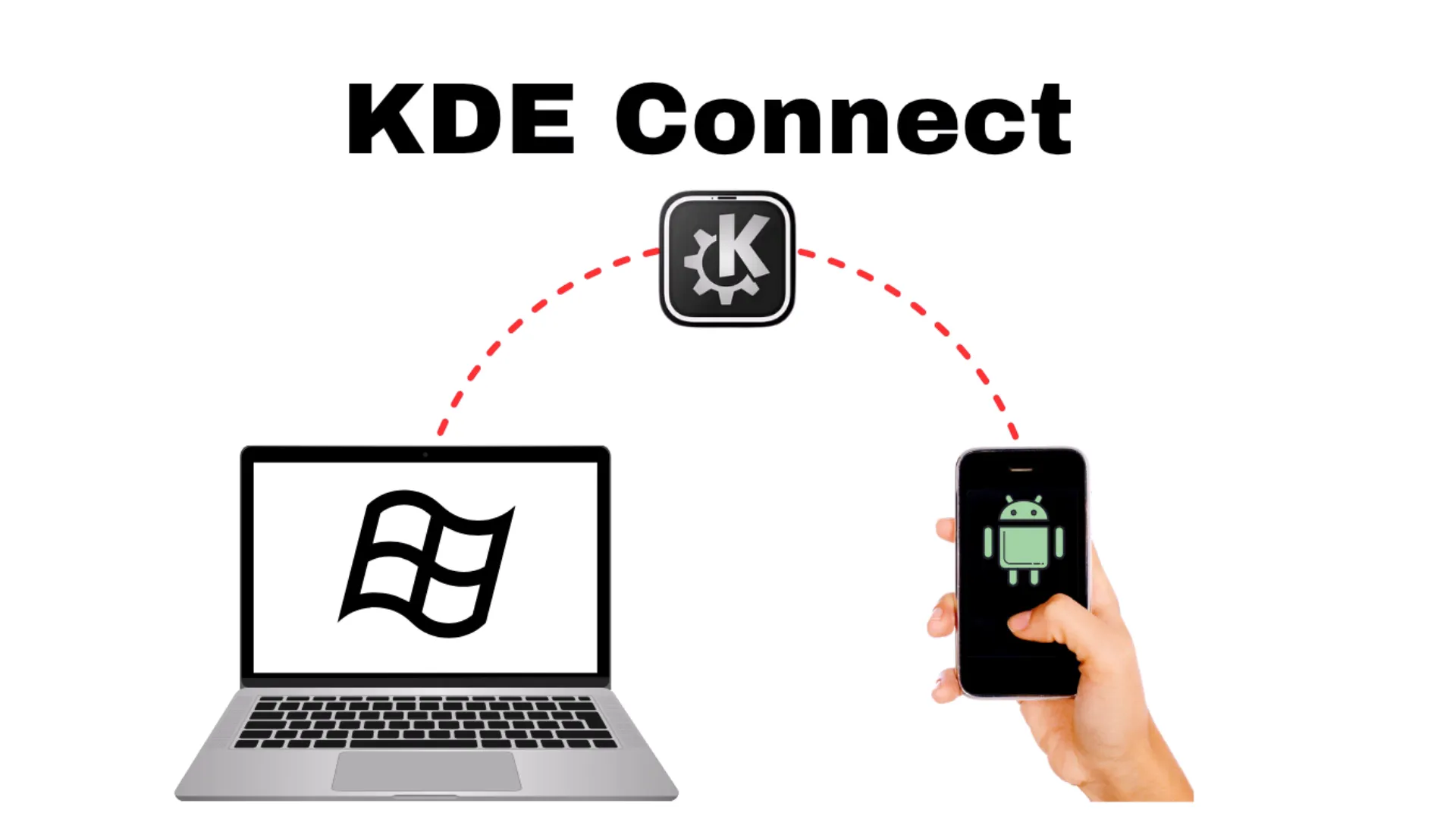
Is It Legal to Send Bulk SMS from Your Own Phone Number?
A fair question, and one worth covering properly before you start.
QuickText sends messages as regular SMS from your real phone number rather than through an A2P (application-to-person) commercial platform. That distinction affects a few things:
A2P registration and 10DLC. In the United States, businesses sending bulk SMS through commercial platforms over 10-digit long codes are required to register their brand and campaign through the 10DLC system. Because QuickText sends from a personal phone number at normal P2P (person-to-person) volumes and speeds, it sits in a different category. That said, carriers do look at traffic patterns to distinguish genuine P2P messaging from bulk automated sending, so this tool is best suited to targeted outreach to your own contacts rather than large-scale cold marketing campaigns.
Consent requirements still apply. Regardless of how messages are sent, the legal obligation around consent doesn’t change. In the US, the TCPA requires prior express consent before sending marketing texts. In the EU, GDPR and the ePrivacy Directive require opt-in for direct marketing communications. These rules apply to messages sent from personal numbers just as they apply to shortcodes and SMS platforms.
Transactional vs. marketing. Appointment reminders, order updates, event confirmations, or follow-ups to contacts who already gave you their number carry significantly lower regulatory risk than cold outreach. If someone is already your customer or lead and they provided their contact details, you’re in solid ground in most jurisdictions for sending them relevant updates.
Deliverability advantage. On a practical level, messages from a real personal number are less likely to be filtered as spam compared to shortcodes or shared sender IDs. Carriers treat genuine P2P traffic more leniently than recognized bulk A2P traffic patterns. Your recipients are also more likely to open and respond to a text from a number they know.
Practical guidance: only text people who opted in, keep your content relevant to what they expect, and give recipients an easy way to stop receiving your messages. If your contact list consists of existing customers or leads who provided their number voluntarily, you’re well positioned in most countries. For cold outreach campaigns or if you’re operating in a heavily regulated sector, check the specific rules for your region and consult a legal professional if needed.
Beyond the legal side, carriers also look at how you send: pace, volume, message variation, and certain trigger words all affect deliverability. The QuickText SMS best practices guide goes into the specifics of what to watch out for.
Additional Features
eSIM support: QuickText works with both physical SIM cards and eSIMs, so you’re not limited by your phone’s hardware setup.
RCS: If both you and the recipient have RCS (Rich Communication Services) enabled, QuickText automatically sends via RCS rather than standard SMS. RCS supports read receipts and richer message formatting, and it happens without any extra configuration on your end.
Multiple phones: Connect several Android phones to QuickText and switch between them. Useful for teams using different lines or for distributing sends across multiple numbers.
Data privacy: Your contact list and message content never leave your computer. There are no cloud uploads, no third-party servers involved, and no tracking. 
Limitations
Windows and Android only. Mac computers are not supported. iOS does not allow third-party apps to access SMS sending in the way Android does, so iPhones won’t work with QuickText.
WiFi required for pairing. Your phone and PC need to be on the same network when you set up KDE Connect. After the initial pairing, the connection stays active on your local network.
Sending rate. Messages go out at standard P2P speeds. For larger batches, use the built-in custom delay setting to spread sends over time and stay within typical carrier thresholds.
Message costs depend on your plan. If your phone plan includes unlimited SMS, there are no additional costs. If you have a message limit, those texts count toward it.
Ready to Send SMS from Your Own Phone Number?
Head to pythonandvba.com/quicktext to download the Excel template. After that, you’ll receive a welcome email with your license key and a getting started video that walks through the full setup step by step. If you want to understand the technical side of how the Android-to-PC connection works before diving in, the post on how to send bulk SMS from your Android phone covers KDE Connect and what to expect from the pairing process.
